{{item.videoDuration}}
{{item.title}}

{{item.videoDuration}}
Accelerating progress and building resilience for a sustainable future.

As a sustainable business, PwC China is leading by example through our environmental commitments, collaborations and conversations. We take responsibility for minimising our own carbon impacts, and identifying opportunities to accelerate sustainable transformation. We do this through our worldwide commitment to achieve net zero greenhouse gas (GHG) emissions by 2050 with near-term and long-term science-based targets validated by the SBTi, leading as an advocate on climate issues, collaborating with NGOs and clients to create environmental solutions with greater impact, and inspiring our people to collectively adopt sustainable behaviours and lifestyles. Our goal is to contribute to a sustainable world that is more resilient and inclusive for all.
Our carbon emissions are relatively low compared to many sectors; however they are our largest environmental impact and we are taking proactive measures to manage and reduce these in our operations. The PwC network has made a global science-based commitment to reach net zero by 2050 with interim 2030 goals. Our commitment details can be found here.
We are implementing a range of policies, incentives and projects to make progress towards our network science-based targets. These initiatives focus on reducing operational greenhouse gas (GHG) emissions from areas such as car fleet, energy consumption and business travel. We are also engaging with our supply chain, providing resources and support for them to establish science-based targets and reduce their own carbon impacts. As a result, we have reduced our absolute market-based gross energy and mobility emissions by 48% relative to our FY19 baseline year, and over 16% of PwC China suppliers (by emissions) had science-based targets validated by FY25. Learn more about our environmental performance in 2025 PwC China Sustainability Report.
Energy use across our office operations represents a significant portion of our Scope 1 and 2 emissions, making efficiency enhancements a critical priority for reducing our environmental footprint.
In FY25, we achieved a 19% reduction in absolute electricity consumption compared to our FY19 baseline, alongside a 10% decrease per capita. These results were driven by sustained investments in energy efficiency initiatives, including the transition to new energy vehicles, adoption of cloud-based virtual servers, and engaging with office building management for continuous improvement on energy consumption data. We also procured China Green Electricity Certificates (GECs) from accredited wind-power sources to cover 100% of our electricity consumption, including usage from air conditioning and plug-in hybrid electric vehicles.
Nature’s essential services underpin thriving societies and economies, making its degradation a universal threat. We partner with others to build frameworks that deliver trusted information for a nature-positive transition, while addressing our own impacts through identifying specific locations where we operate that are considered sensitive from a nature perspective, and engaging our employees in volunteering activities for nature preservation causes. We also support high quality carbon credits to mitigate our climate impact. In FY25, we have 100% of our portfolio coming from natural climate solutions (NCS) that protect and restore the environment. This gives us an opportunity to address the inter-related challenges of biodiversity loss and nature degradation.
While our waste generation is relatively modest compared to other industries, PwC China takes active responsibility for managing our environmental footprint. Across our operations, PwC China is committed to diverting waste from landfill and advancing circular economy principles through comprehensive prevention and reuse programmes. Our initiatives extend beyond paper and coffee grounds to encompass plastics, metals, glass, furniture, and computers—materials we repurpose through strategic partnerships with social enterprises and NGOs. Donations of our second-hand furniture and computers to schools in underdeveloped regions of China have helped create enhanced learning environments for teachers and students.
As climate change impacts intensify, understanding and managing associated risks and opportunities is a fundamental part of building climate resilience. PwC China prepares climate reporting and climate risk assessments to ensure our strategies remain relevant and responsive. We actively contribute to the PwC network’s science-based targets (SBTs) through decarbonisation efforts, adaptation initiatives, and building resilience against evolving climate impacts. Comprehensive climate disclosures including PwC China’s progress towards our network targets are available in 2025 PwC China Sustainability Report.

As we make progress on our climate actions, we share, inspire, and encourage everyone to take action and responsibility through sustainable behaviour campaigns, upskilling on climate-related issues, supporting the work of our employee-led network PwC Green Team, and joining environmental volunteering events.
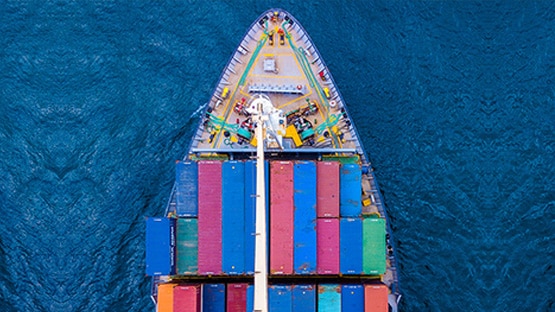
Our network commitment to achieving net-zero emissions recognises our supply chain as a pivotal area for impact, and includes a target that 50% of our suppliers of goods and services (by emissions) establish science-based targets (SBTs). By helping our suppliers in their decarbonisation journey, we not only support our internal net-zero objectives but also contribute to reducing carbon emissions across the broader business ecosystem.

We offset any remaining scope 1, scope 2 and scope 3 business travel emissions not yet reduced through purchasing high-quality carbon credits. Our purchase follows the PwC network’s internal quality criteria, which ensures that our portfolio consists of high-integrity credits, including criteria on purchasing the most recent credits from projects verified by an independent third party to market leading standards.
Learn more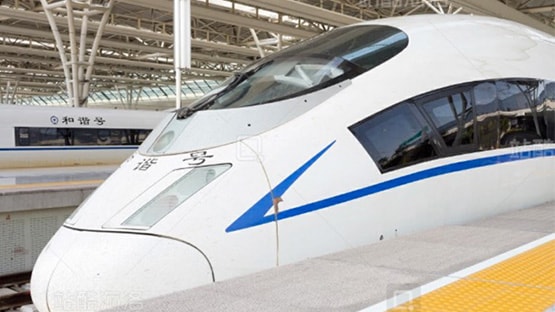
PwC China has started an initiative called ‘Go green. Get on track.’ to encourage more of our people to choose high-speed rail as a low-carbon alternative to flying. All PwC China people regardless of their grade are now eligible for first class tickets when taking a high-speed train on the 15 eligible routes and receive additional wellness benefits for each trip.